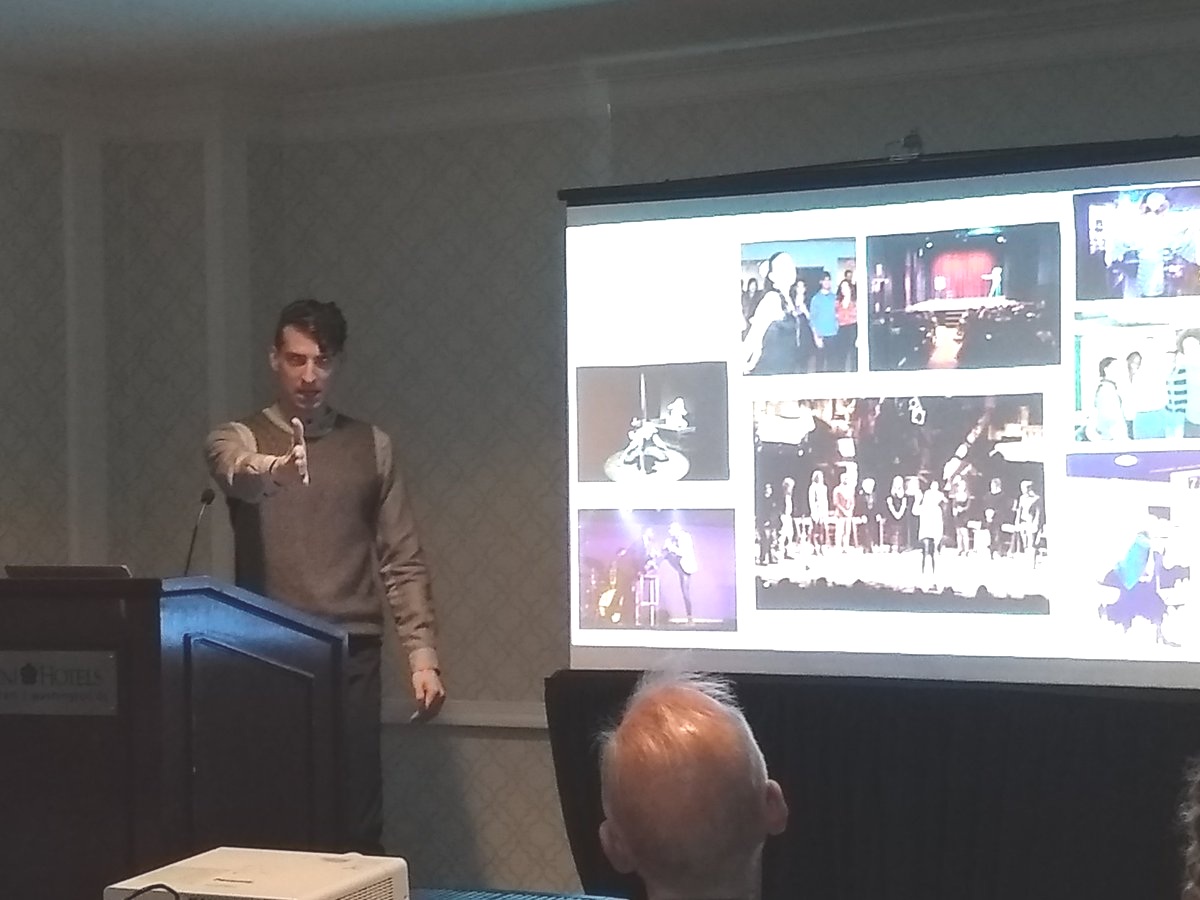
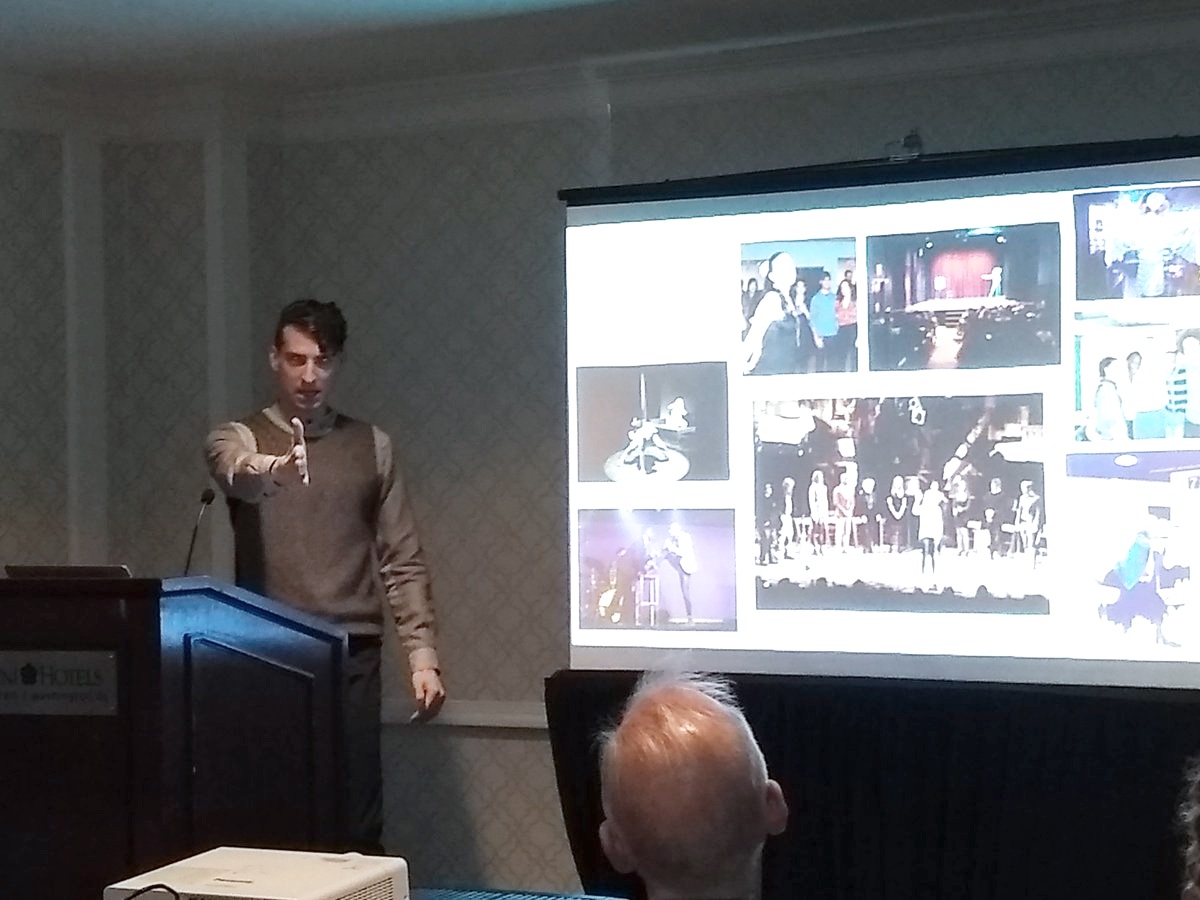
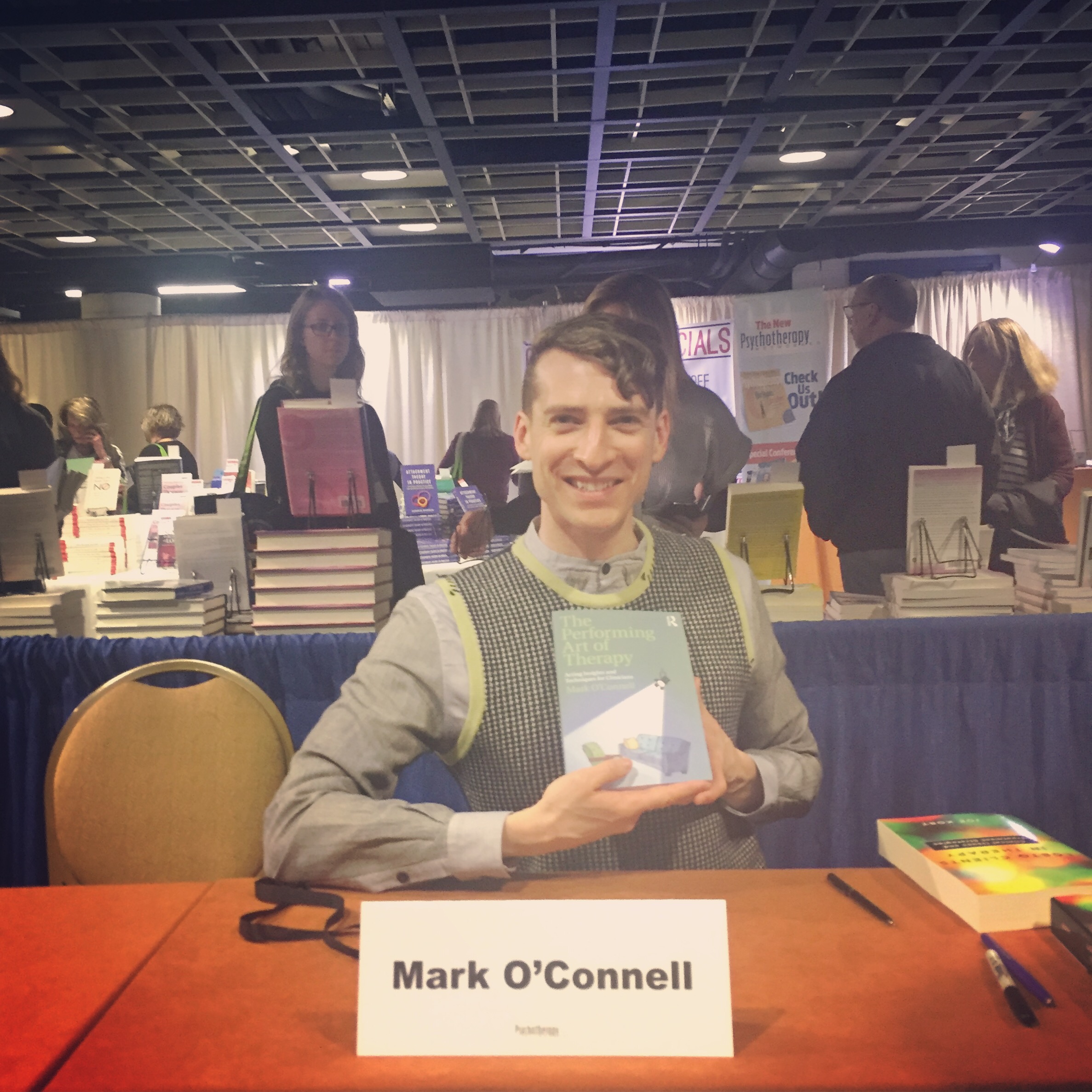
I offer workshops, trainings, and talks on the performing art of therapy, for clinicians, performers, and students. Each engagement ranges from two to five hours, depending on your needs.
training Outline
For Clinicians:
The Therapist’s Voice & Vody: Nonverbal Communication in Session
Introduction: The Therapist’s Instrument
Participants are introduced to the idea of using and caring for our instruments—our bodies, voices, and emotional selves—the way actors care for theirs. By tending to our own instruments, we can be more present, available, and effective with our clients—our scene partners. I share anecdotes, quotes, and clinical examples that compare therapy to drama, drawing from a range of clinicians and theorists—from Freud onward.Embodied Presence
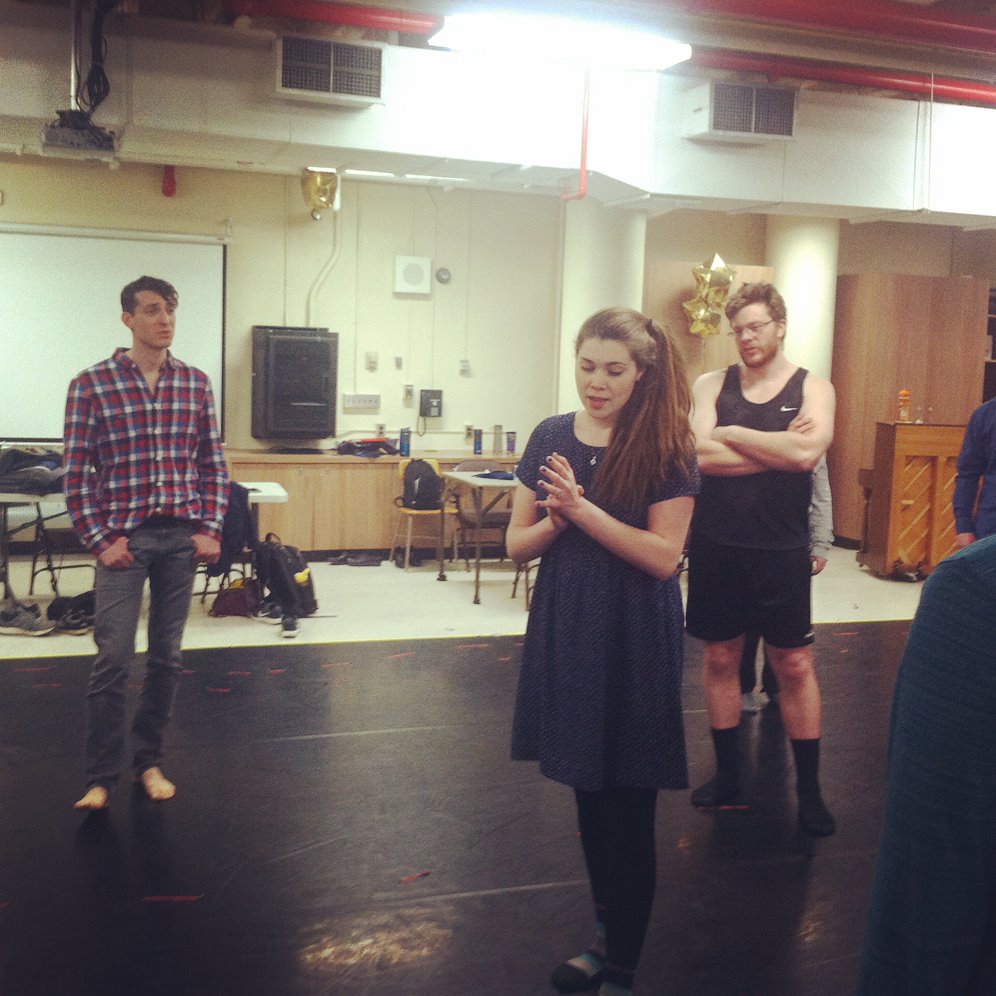
Through a series of body-based exercises, participants heighten their mental, emotional, and physical awareness. These exercises invite a visceral understanding of how thinking of oneself as a performer can enhance clinical work and deepen connection in session.Listening as Action: The Power of Subtext
We explore the concept of listening as an active process—one that involves full presence rather than absence. Drawing from film acting techniques, I demonstrate how we can become aware of our own subtext—what we communicate nonverbally—and learn to use it authentically, mindfully, and with purpose, even in silence. We engage in screen-acting exercises and analyze performances by actors who have portrayed therapists on screen, identifying what makes their presence so effective.
Breathing as a Bridge to Presence
Participants practice breathing techniques designed to ground and focus attention. We discuss the clinical applications of different breath practices—how they can help us listen with stillness, tolerate intense emotions, or embody authority when needed.
Energy, Empathy, and Multiplicity
We conclude with an energy meditation that helps participants locate where they “live” energetically in their physical and emotional bodies. This practice fosters awareness of clients’ energy states and expands the therapist’s ability to empathize with and embody a range of truthful selves. Participants learn to consciously access these states for clinical purpose and creative flexibility.
The training concludes with an open discussion and Q&A, allowing participants to apply these ideas to their own clinical cases and experiences.
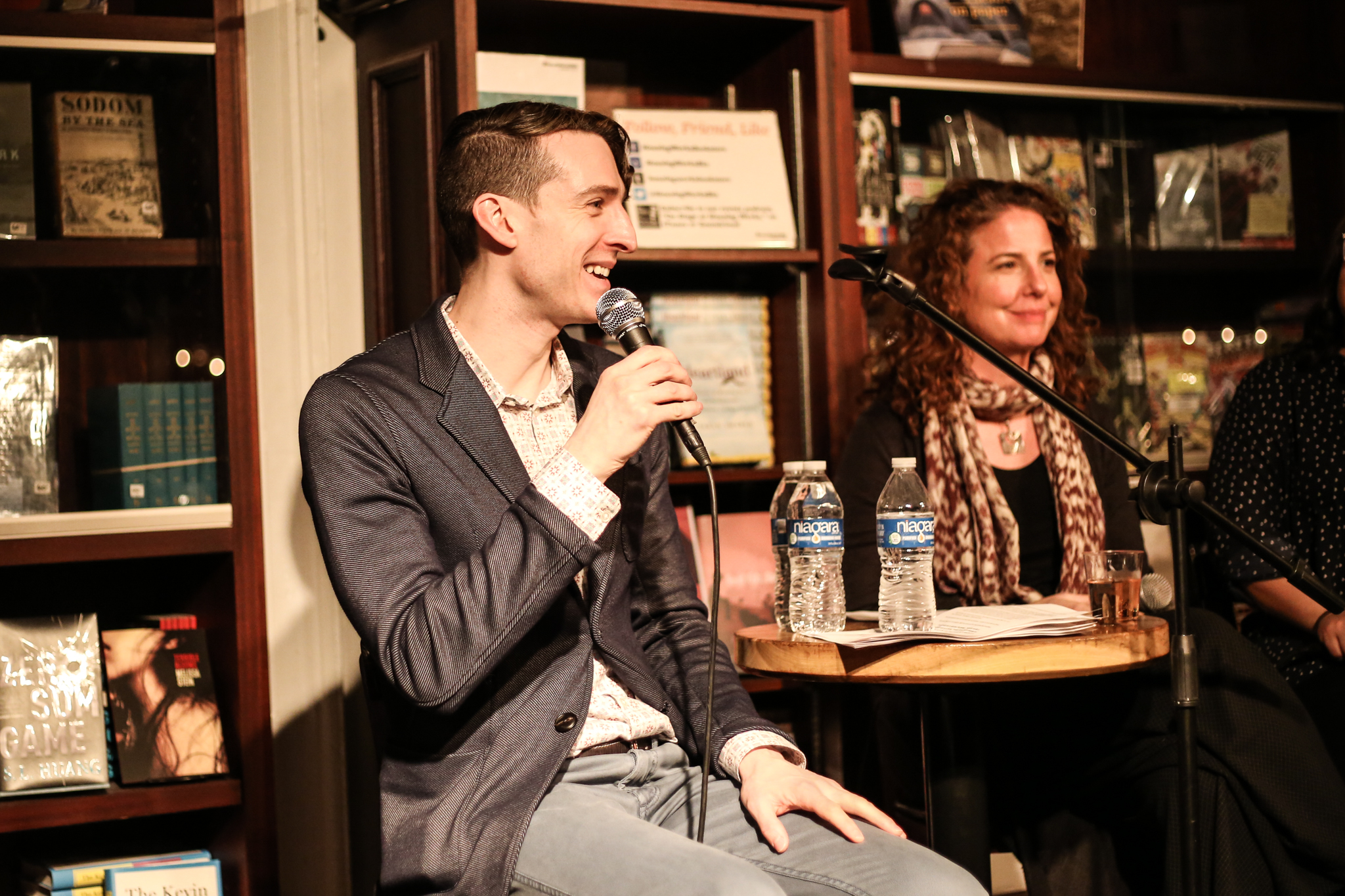


For Performers
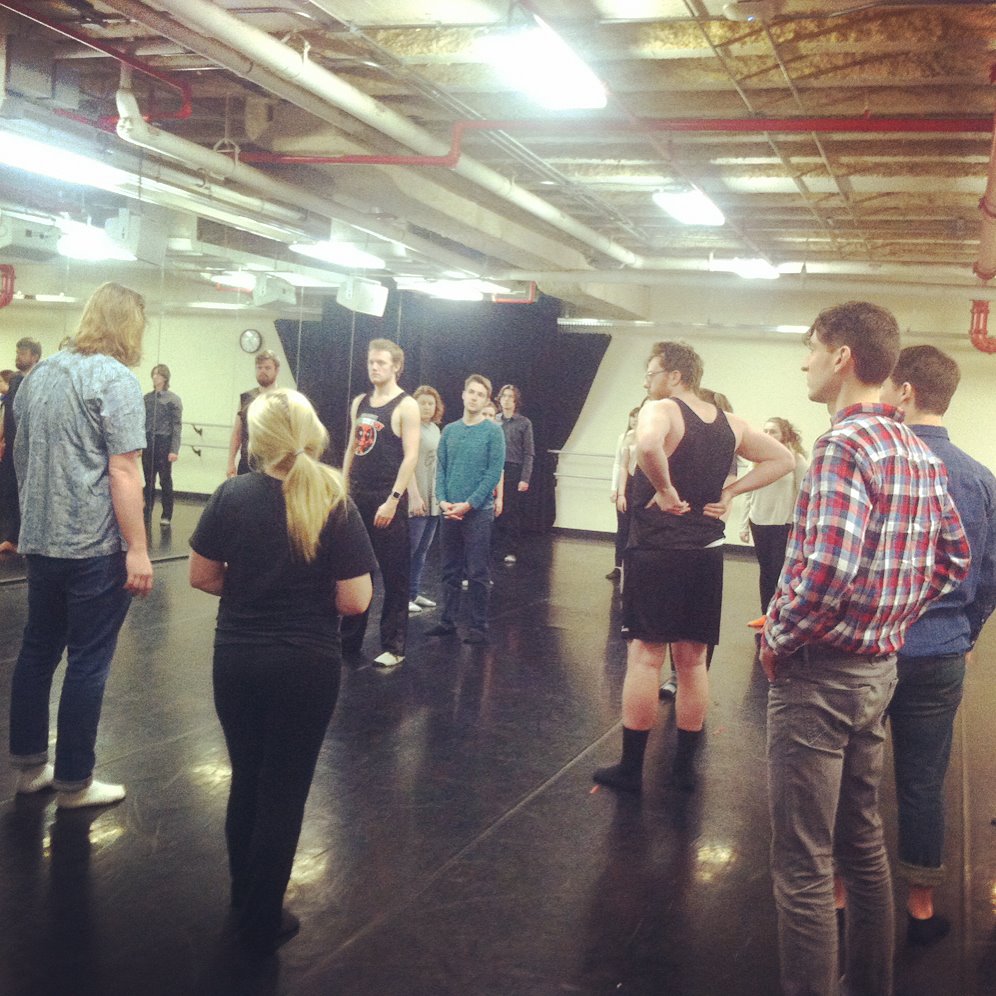
Workshops for professional actors and students are adapted from the model above, emphasizing how performers can use their creative and technical skills beyond the stage or screen. We explore how the tools developed in conservatory training—presence, empathy, embodiment, and emotional regulation—can be applied in roles such as therapist, counselor, coach, or teacher.
Participants engage in text-based and mind/body/energy exercises to connect with a multiplicity of authentic selves, discovering new ways to inhabit their instruments with purpose and play.